Oil spikes to four‑month high as Saudi pipeline shuts, tech stocks buoy FTSE 100
Brent crude rose to $108 per barrel following a Saudi pipeline shutdown, and tech stocks pushed the FTSE 100 higher.
Brent crude surged to around $108 a barrel on Monday, the highest level in four months, after Saudi Arabia halted a major pipeline that bypasses the Strait of Hormuz. The shutdown followed a series of drone attacks that disrupted the route, prompting traders to bid up oil as they reassessed supply risks in the region.
Oil price rally and market reaction
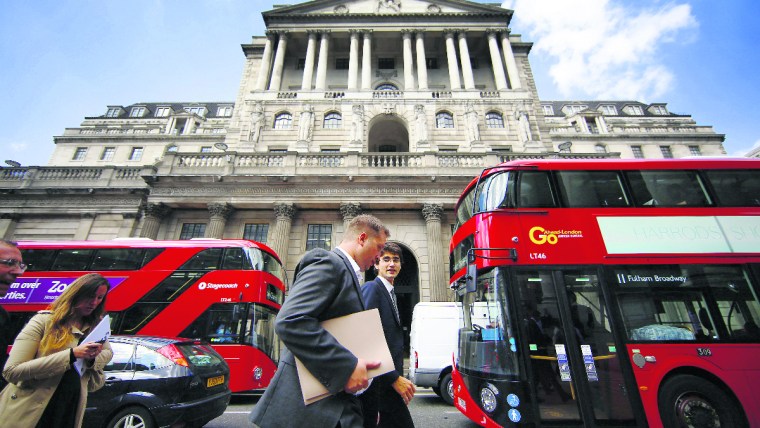
The sudden supply squeeze lifted oil futures, adding fuel to a broader rally in global equities. In London, the FTSE 100 edged higher, with technology shares leading the charge. Investors appear to be betting that higher energy prices will boost earnings for oil‑linked firms while tech firms continue to benefit from strong demand for digital services.
Political backdrop
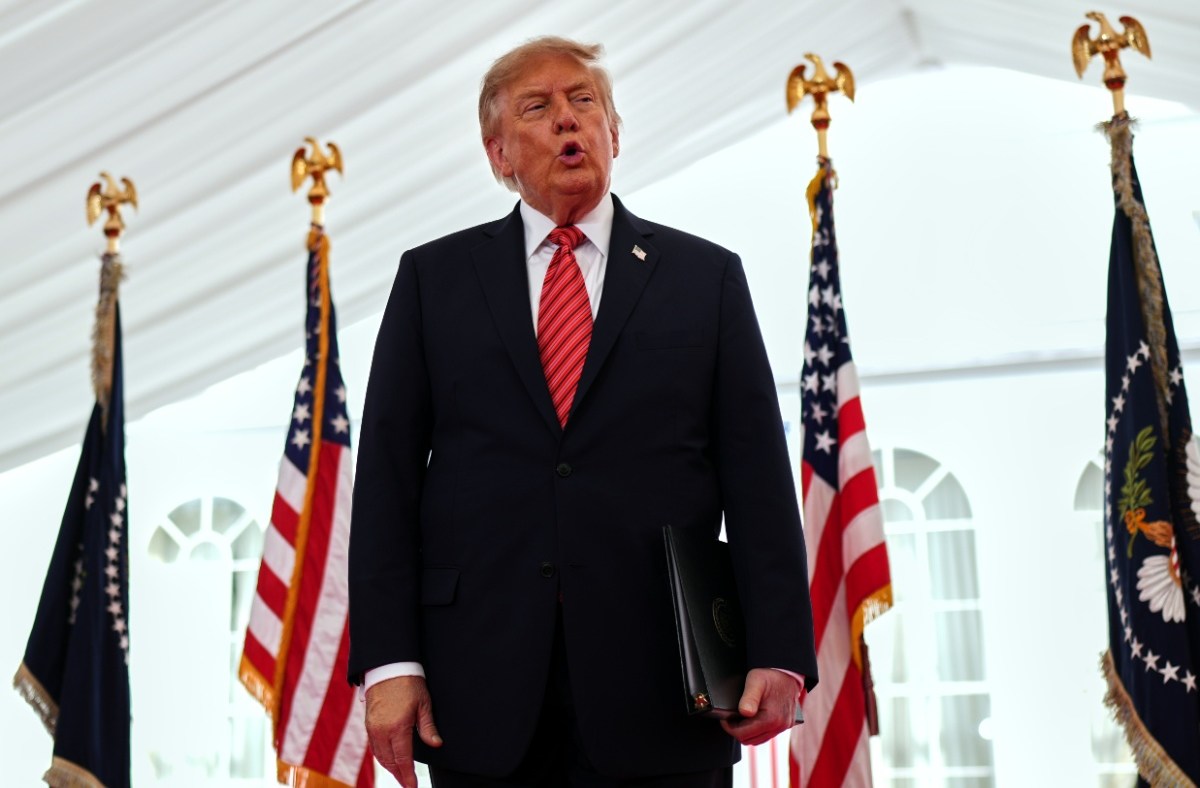
In a separate development, Donald Trump suggested the United States could stay involved in Iran and “keep the oil”, drawing a parallel with the US approach to Venezuela's reserves. Speaking during a trip to Ireland, the former president said the war in Iran would likely end this year, potentially after the US mid‑term elections, and that gasoline prices would "drop like a rock" once the conflict subsides.
“We’ll ultimately get out (of Iran), unless we decide to stay and keep the oil like Venezuela,” said Donald Trump.
Trump’s remarks, while speculative, underscore the geopolitical uncertainty that continues to influence energy markets. Any escalation could keep oil prices elevated, while a de‑escalation might see a rapid correction.
What’s next for investors?
Analysts expect oil to remain volatile as the Middle East situation evolves. If the pipeline remains offline, supply constraints could keep prices near the $108 mark, supporting energy‑heavy stocks. Conversely, a swift repair or a de‑escalation of drone attacks could see prices retreat.
On the equity side, the FTSE 100’s reliance on tech gains may face headwinds if higher energy costs feed into broader inflation pressures. Investors should watch rising gilt yields for clues on how the Bank of England might respond, as bond market moves often foreshadow equity sentiment.
In short, the intersection of geopolitics, oil supply, and sector‑specific performance will shape market direction in the weeks ahead.