UK announces sanctions on West Bank settlements amid domestic political pressure
Foreign Secretary Ed Miliband announced measures aimed at illegal settlements in the occupied territories, raising questions about effectiveness and political timing.
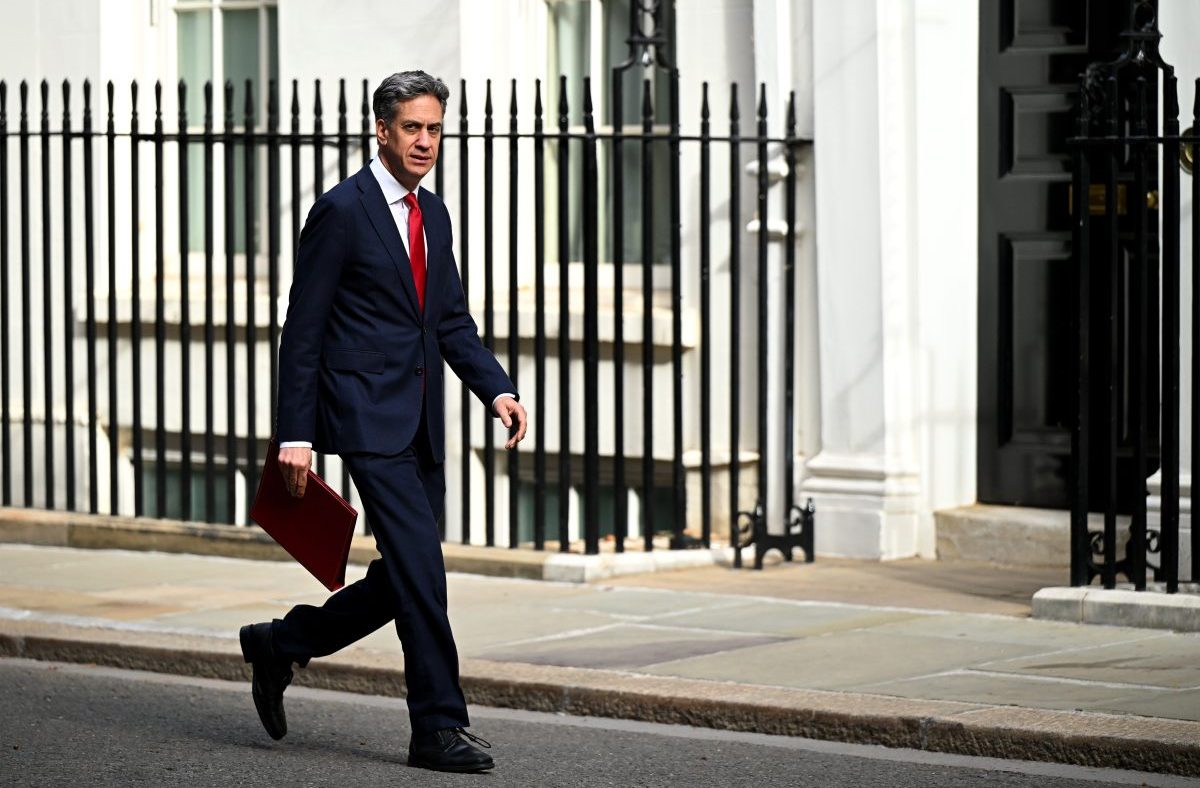
The British government has unveiled a sanctions package that will ban imports from Israeli settlements deemed illegal in the West Bank and restrict arms sales that directly support the occupation. Ed Miliband, the new foreign secretary, told MPs that the move reflects a judgement that the West Bank is under an illegal occupation and that “there is ethnic cleansing of Palestinians in areas of the West Bank, perpetrated by settler terrorists…[and] the Israeli Government have turned a blind eye”.
Our argument is not with the people of Israel, with whom the UK has unshakeable bonds; our argument is with the conduct of its government.
The policy marks a shift from previous British positions that avoided singling out Israel’s economy. While the import ban targets goods produced in settlements, the broader arms export regime will only bar items that “materially contribute to the occupation”. The government says the aim is to pressure settlement expansion without harming the wider Israeli market.
Why the sanctions matter now
The announcement comes as the Labour Party faces criticism for losing Muslim support in recent elections. Analysts note that four independent candidates defeated Labour incumbents in 2024 by foregrounding the Gaza conflict, and a by‑election in a constituency with a sizable Muslim electorate is looming. The timing suggests the measures could be an attempt to regain lost votes ahead of that contest.
Critics argue the sanctions risk being symbolic. Former officials warned that Israel’s economy is intertwined with the settlements, making it hard to isolate them without harming Palestinians who rely on the same supply chains. An anonymous Whitehall source said the government has not yet identified a practical delivery mechanism.
What comes next
Implementation will test the policy’s viability. If the sanctions prove difficult to enforce, the government may face pressure from both pro‑Israel lobby groups and human‑rights organisations. Domestically, the upcoming Holborn and St Pancras by‑election will serve as a barometer for whether the move resonates with voters who felt alienated by Labour’s previous stance on the conflict.
Both the UK’s diplomatic relationship with Israel and its standing among British Muslims will be closely watched as the sanctions regime rolls out.