Goldman Sachs sees Bank of England nudging rates to 4% by year‑end
Wall Street's Goldman Sachs forecasts a Bank of England move to 4% by November, reflecting higher inflation expectations and energy‑price concerns.
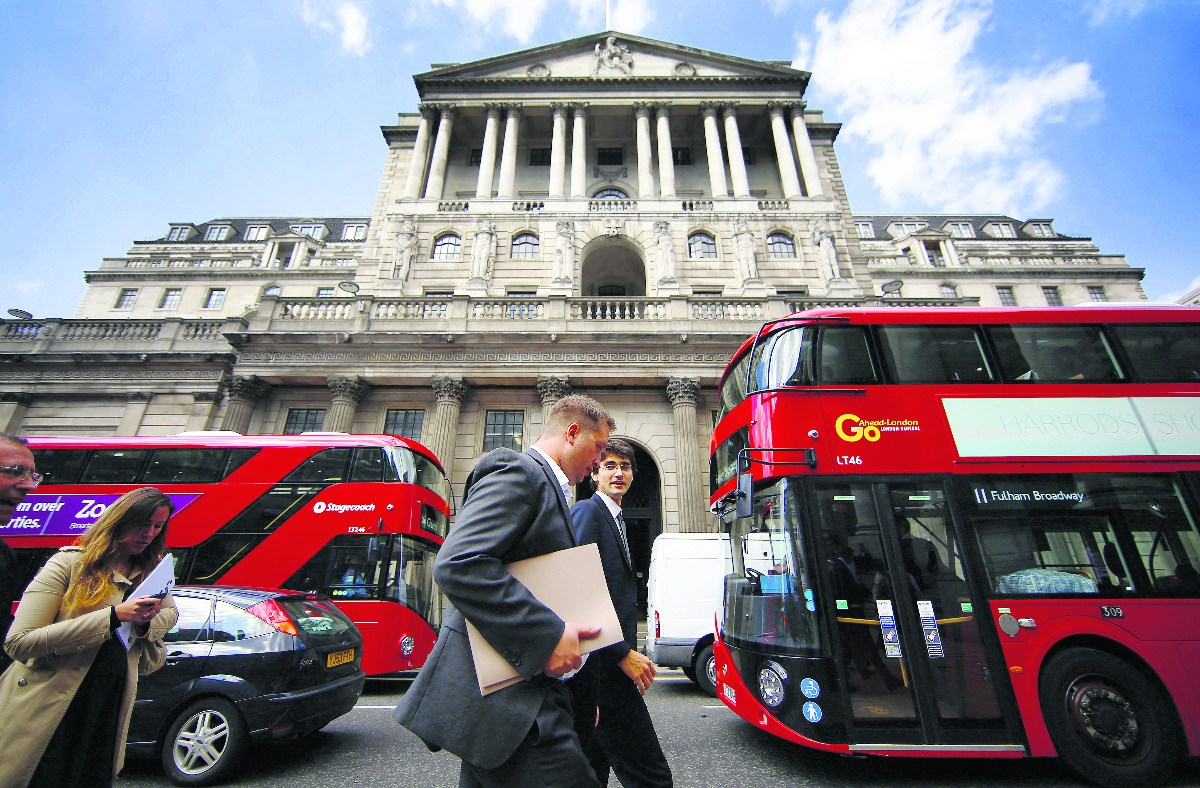
Bank of England policymakers are expected to lift the base rate to four per cent before the calendar flips, according to a fresh forecast from Goldman Sachs. The investment bank upgraded its inflation outlook for early 2027 to 3.9 per cent, up from a previous peak estimate of 3.3 per cent, and said the probability of a November hike is now well above 50 per cent.
Goldman Sachs raises rate expectations
The new projection follows a series of data points that suggest price pressures are not easing as quickly as the central bank hoped. Wholesale energy costs have surged, and the Office for National Statistics is set to release CPI figures that many analysts expect to show inflation edging to 3.1 per cent for the 12‑month period ending in August.
“Recent weeks have seen significant increases in wholesale energy prices, a larger rise in headline inflation than the Bank had expected, and strong growth data,” said James Moberly and Sven Jari Stehn in a client note.
Both economists warned that the Monetary Policy Committee (MPC) could signal a tightening stance at its upcoming meeting, even if the official rate remains at 3.75 per cent for now.
Market reaction and analyst split
Two‑year gilt yields have already priced in the possibility of up to four rate moves this year, though City economists have historically been more cautious than the market. Deutsche Bank analysts argue that the MPC’s patience may be wearing thin, while ING’s James Smith believes the central bank could surprise by staying less hawkish, citing limited evidence that higher oil and gas prices are permeating the broader inflation basket.
Smith added that the full impact of energy price shocks typically takes 12 to 18 months to filter through, meaning the worst may still be ahead.
What could lie ahead
If the BoE does raise rates to four per cent in November, borrowers will face higher mortgage repayments and businesses may see tighter credit conditions. The move could also push gilt yields higher, feeding into discussions about a possible emergency budget, as highlighted in a recent analysis of rising gilt yields.
Conversely, if the MPC opts to hold rates steady, markets may interpret it as a signal that the Bank believes inflationary pressures are moderating, which could stabilise the pound and ease some of the strain on consumer finance.
In any case, the next MPC meeting will be closely watched for clues about how long policymakers intend to keep the tightening cycle alive.
For a deeper look at how rising gilt yields could affect fiscal policy, see our piece on rising gilt yields and a potential emergency budget.