Half‑billion bricks sit idle as UK homes target looks increasingly out of reach
A GMB Union survey finds 500 million bricks stockpiled across Britain, raising fresh doubts about the government's ability to hit its 1.5 million‑home goal.
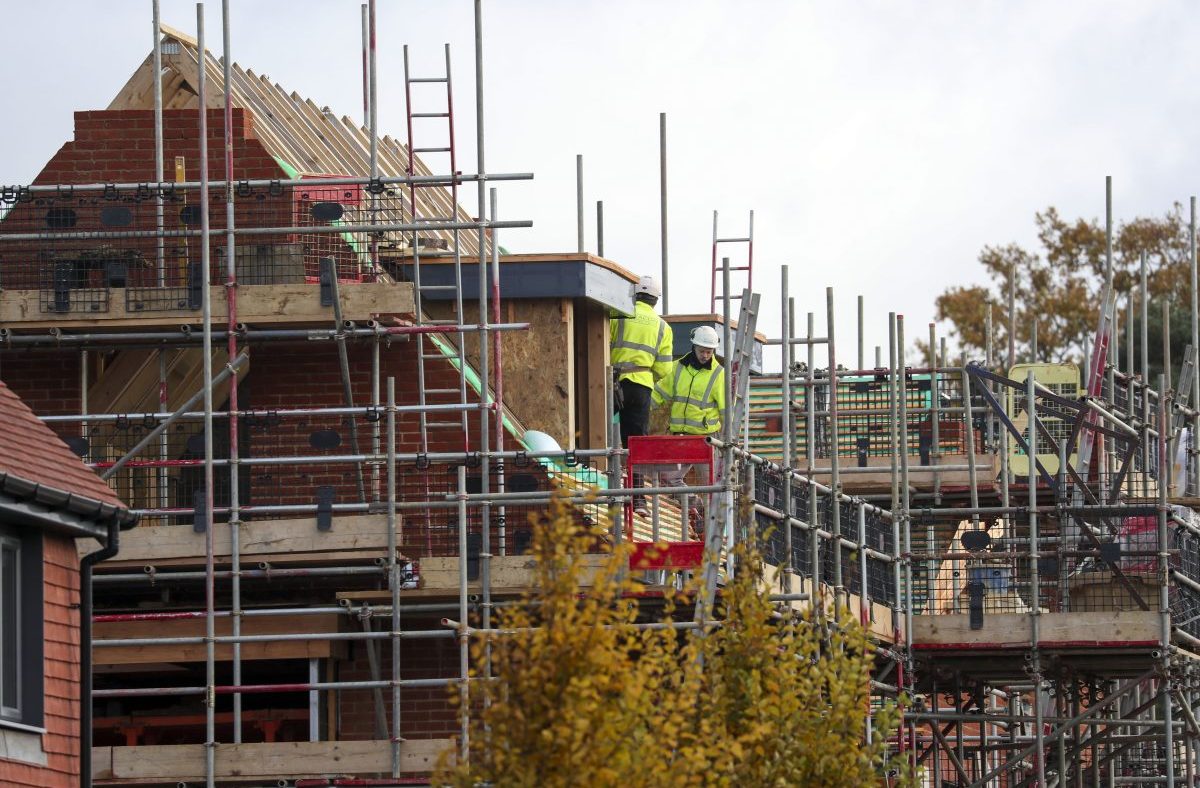
Industry data released by the GMB Union shows that roughly 500 million bricks, enough material for about 50 000 average‑size houses, are sitting idle in factory yards across Britain. The figure has been cited as a stark illustration of the gap between the government's "stretch" ambition of 1.5 million new homes by the next election and the reality on the ground.
With housebuilding already lagging, only 203 000 homes were completed in the year to June, well below the 300 000 a year needed, the surplus of bricks highlights both a supply‑chain bottleneck and a looming employment risk. The construction sector employs thousands of workers; a slowdown could jeopardise up to 8 000 jobs, according to trade‑union representatives.
“Right now, there are 500 m bricks sat unused in factory yards across this country. You heard it right, 500 m bricks just sitting there. That is enough to build 50 000 average‑sized houses, or ten small towns. Enough to provide homes for hundreds of thousands of people. But without spades in the ground to build the homes we need, our industry will collapse and eight thousand jobs will go: including mine.”, Lewis Parmenter, brickworker
Government's stretch target under pressure
Housing secretary Angela Rayner has acknowledged that meeting the 1.5 million‑home goal is a "slim" prospect, citing international headwinds such as the ongoing Iran conflict and rising construction costs. She told the BBC’s Sunday with Laura Kuenssberg that while the target remains a useful benchmark, “it’s a slim chance, but I’m definitely not giving it up.” Rayner pointed to a recent £10 billion allocation for social and affordable homes, which has lifted new‑home starts by 15 percent year‑on‑year.
Nevertheless, the pace of delivery remains far from the required 300 000 homes per year, a rate not seen since the early 2000s. The shortfall is feeding into broader fiscal concerns, with rising gilt yields adding pressure on the Treasury’s housing‑related spending.
Industry and political response
London‑based listed housebuilders have recently curbed land‑buying and warned that profit margins are being squeezed by higher material costs and mortgage rates. The GMB has warned ministers that failure to accelerate construction could see a cascade of job losses across the sector, from brickmakers to site labourers.
Union delegates at the GMB congress called for a coordinated push to clear the backlog of unused bricks, urging the government to streamline planning approvals and provide clearer incentives for developers. Without such measures, the brick surplus could become a costly reminder of missed housing opportunities.
In the coming months, policymakers are expected to weigh additional funding for affordable housing against broader fiscal pressures, while industry leaders may lobby for regulatory reforms that speed up site preparation. The outcome will shape not only the housing market but also the health of the construction workforce.