UK set to nationalise third‑largest steelmaker amid buyer talks collapse
Ministers will use new legislation to bring Speciality Steel UK under state control, following a stalled sale and weeks after British Steel was nationalised.
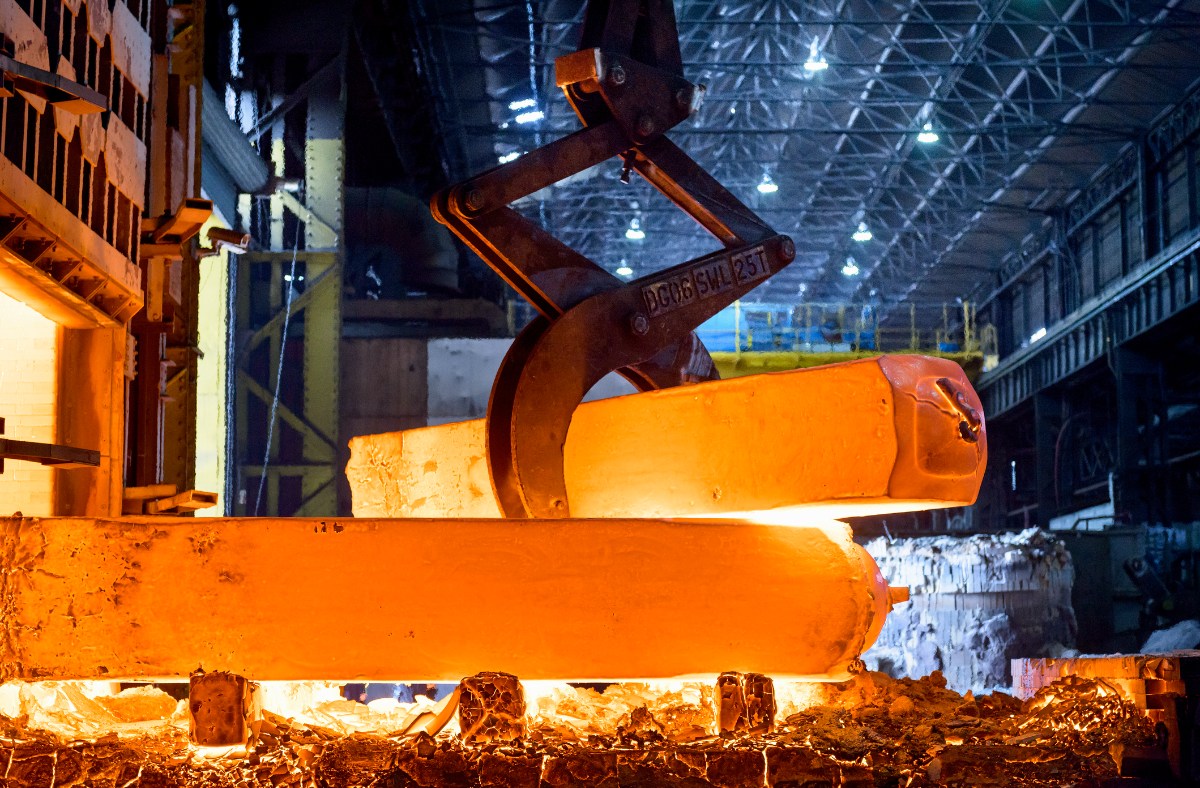
Jonathan Reynolds, the business secretary, announced on Monday that the government will place Speciality Steel UK (SSUK) into public ownership after months of fruitless negotiations with potential private buyers. The move comes just weeks after the state took control of British Steel in Scunthorpe, marking the second major steel nationalisation under the current administration.
Why the move matters
The South Yorkshire steelmaker employs roughly 1,300 workers across sites in Rotherham and Stocksbridge. Its products feed a range of critical supply chains, from automotive to construction. By stepping in, ministers aim to safeguard jobs and preserve a strategic industrial asset that would otherwise risk collapse.
Background to the stalled sale
SSUK was placed under government receivership a year ago after creditors obtained a winding‑up order against former owner Sanjeev Gupta. The Treasury initially explored a private‑sector solution, with Norwegian firm Blastr emerging as the most advanced bidder. However, talks collapsed in June when the parties could not agree on terms that would deliver “long‑term stability, certainty and value for money”, according to officials.
“We do not intervene in private companies lightly,” Reynolds said. “But nor can we simply stand aside and allow the future of this company and over 1,300 jobs to be decided by default.”
Implications for the steel sector
The decision follows a series of measures aimed at shoring up Britain’s domestic steel industry, including a 50 % import duty on foreign steel and a sharp cut to tariff‑free quotas introduced in July. While industry leaders welcome the protection of primary steelmaking capacity, they warn that higher costs could strain already fragile manufacturers. The government now faces the task of funding SSUK’s operating costs, which have been covered at about £3.5 million a month since the receivership began. Analysts suggest the move could have a potential impact on the UK budget, especially if further subsidies are required to bring the plants back to full production.
Looking ahead, the state will likely seek a long‑term investor with the expertise to modernise the facilities and integrate them into the national supply chain. Until a sustainable ownership model is found, SSUK will remain a taxpayer‑funded operation, underscoring the government's commitment to preserving strategic industry.