Mortgage rates hit five‑month high ahead of BoE decision
Borrowers face their steepest mortgage costs in months as lenders respond to rising swap rates just before the BoE’s rate decision.
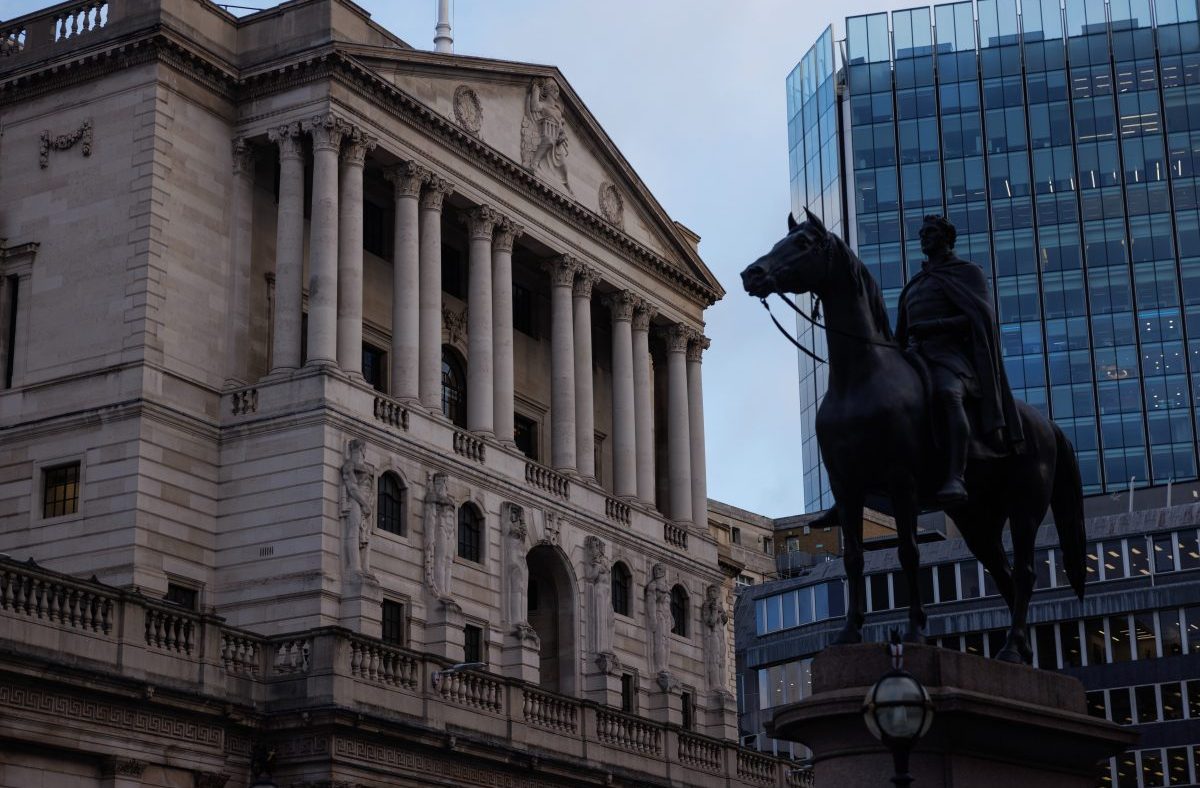
Borrowers in the UK are bracing for higher mortgage costs as rates climbed to their highest level in nearly five months. In the past week, around 25 lenders, including HSBC, Lloyds and Nationwide, lifted their fixed‑rate deals.
Rates climb as lenders reprice
The average two‑year fix now sits at 5.67%, the strongest since June, while the five‑year fix rose to 5.72%, an April high. Moneyfacts head of consumer finance Adam French warned that the surge reflects the latest jump in swap rates, which underpin most fixed‑rate mortgages.
“Mortgage rates have only just caught up with earlier increases in swap rates, meaning lenders will now face further pressure to reprice,” said Adam French.
Swap‑rate volatility has been driven by expectations of future interest‑rate moves, and the upcoming Bank of England Monetary Policy Committee meeting adds to the uncertainty. While most economists expect the BoE to keep its Bank Rate at 3.75% on Thursday, market pricing has started to factor in a possible hike in November, especially after the European Central Bank raised its base rate to 2.5%.
Analysts at Goldman Sachs have even projected a move toward 4% by year‑end if inflation pressures persist.
Implications for borrowers and the housing market
Mortgage approvals slipped to 56,100 in July, down from 58,200 the month before, according to the central bank. Net borrowing fell sharply to £4.3bn from £7.7bn, reflecting the war‑related economic strain. Property portal Zoopla expects rental prices to rise 4‑5% this year as higher mortgage costs keep more first‑time buyers in the private‑rental sector.
“Higher mortgage rates are not just impacting the sales market, they are keeping more would‑be first‑time buyers in rented homes for longer, reducing available supply just as the seasonal upturn in demand gets into full swing,” said Richard Donnell, executive director at Zoopla.
Looking ahead
If swap rates do not retreat, borrowers should anticipate further rate hikes in the coming weeks. Continued pressure on mortgage approvals could tighten the already constrained housing market, while the rental sector may see sustained price growth. Market participants will be watching the BoE’s decision closely, as any shift could ripple through gilt yields and broader UK financial conditions.