Healey urges growth as UK businesses grapple with rising costs
In his first Treasury speech, the new chancellor pledges growth‑focused reforms while facing criticism over lingering tax and regulatory burdens.
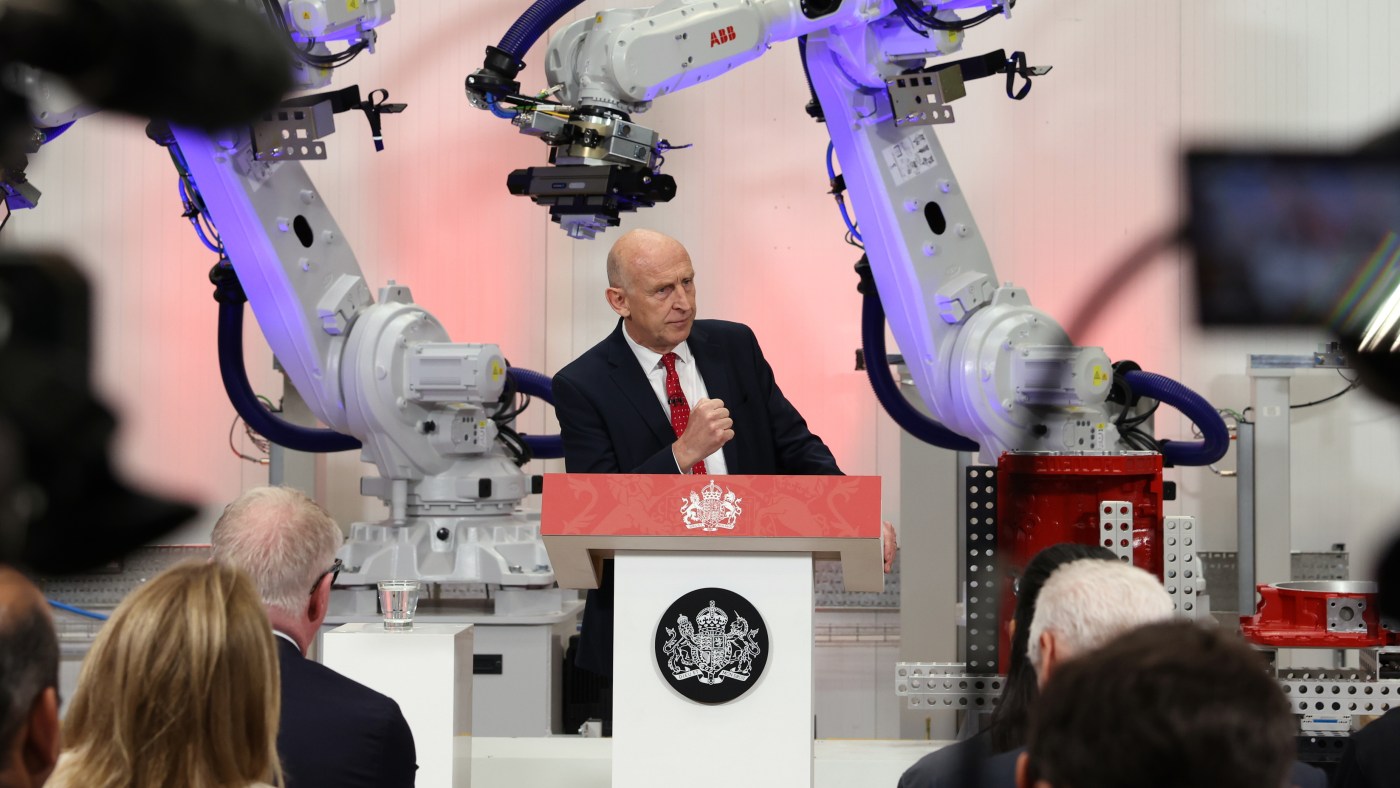
John Healey delivered his inaugural Treasury speech on Tuesday, positioning growth as the antidote to what he described as a “cost of doing business crisis”. Speaking after a volatile bond market session, the chancellor warned that high living costs and employer pressures could only be eased by a sustained expansion of the economy.
Healey's message to business
Healey’s tone was calm, contrasting with the nervous delivery of his predecessor. He pledged to slash unnecessary regulation, cut red tape and create a more favourable environment for firms of all sizes. British Chambers of Commerce, which met with the chancellor earlier in the week, warned that any further tax hikes would push the United Kingdom “on the road to ruin”.
The only way you deal with that…is growth.
He linked the cost‑of‑living squeeze directly to the challenges faced by employers, insisting that “the only way you deal with that…is growth”. Healey is speaking two years into a Labour government that has overseen several of the regulatory changes he now seeks to roll back. He also hinted at a devolution agenda, hoping that greater regional autonomy could unlock new investment streams.
Challenges ahead for the Treasury
Critics point out that many of the cost pressures stem from policies introduced during the current Labour administration, including the Employment Rights Act. Healey’s call to cut bureaucracy therefore faces the paradox of undoing measures championed by his own party.
Business groups are urging the chancellor to prioritize tax stability and to deliver on the promised reductions in reporting burdens, such as the recent corporate reporting reforms that aim to save £450 million for companies. The next few months will test whether Healey can translate his growth rhetoric into concrete policy changes that ease the “cost of doing business” for UK firms.
For now, the Treasury’s focus on future growth must contend with the legacy of past decisions, and the pressure from the private sector to halt further tax increases.