Can Chancellor John Healey steer the UK to growth amid JLR layoffs?
Healey pledges growth‑led recovery while the manufacturing sector braces for job cuts, highlighting the tightrope the new chancellor must walk.

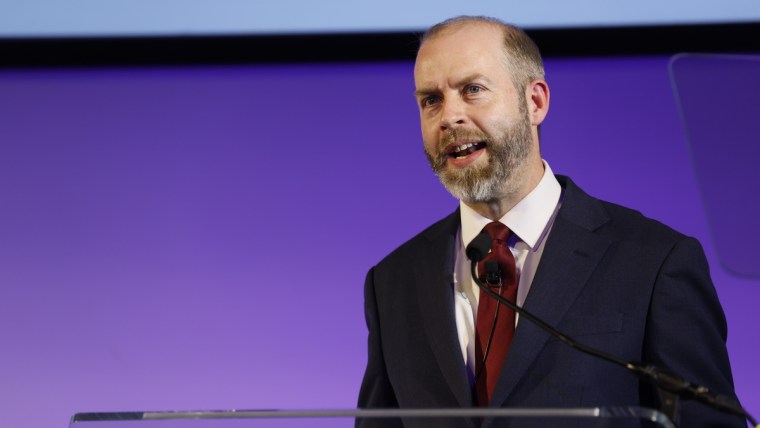
John Healey delivered his first major speech as chancellor on Monday in Coventry, choosing the Manufacturing Technology Centre as the venue rather than the more photogenic Jaguar Land Rover headquarters. The timing coincided with the car‑maker announcing that up to 4,000 staff could face redundancy, a move that has become a symbol of the wider challenges confronting the British economy.
A speech set against a backdrop of job cuts
Healey opened by describing growth as "the sustainable pathway out of indebtedness and into prosperity" and promised to tap the country's "latent potential" and "huge resilience". Yet his optimism was tempered by stark warnings about the cost‑of‑living squeeze, fragile economic expansion and persistent youth unemployment.
Growth is the sustainable pathway out of indebtedness and into prosperity.
Opposition figures were quick to dismiss the address as warm‑hearted rhetoric without substance. Andy Burnham and Healey have both spoken of a new partnership with the private sector, but the looming cuts at Jaguar Land Rover reminded investors that the UK has yet to turn a decisive corner.
Fiscal headroom shrinking
Economists warn that Healey inherits far less fiscal wiggle room than his predecessor, Rachel Reeves. Thomas Pugh, an economist at RSM, calculated the Treasury’s buffer at roughly £11.5bn, down from the £23.6bn available earlier in the year. Rising gilt yields and higher debt‑interest costs, projected to exceed £116bn this year, further tighten the budget.
Reviews commissioned by Sir Stephen Timms on personal independence payments and by Alan Milburn on youth unemployment are not due until after the budget, limiting Healey’s ability to target the £322bn welfare bill for cuts. Without clear avenues for tax relief, the prospect of substantial tax cuts this year looks remote.
What the future may hold
Analysts suggest that any boost to growth will likely come from structural reforms rather than headline‑grabbing tax cuts. Suggestions include devolution of planning powers, trade enhancements and public‑sector efficiency drives, measures that may be politically sensitive but could free up resources.
Healey’s speech did not mention radical reforms, signalling a preference for continuity with the outgoing administration. As Healey's growth‑led fiscal plan moves toward the budget, the chancellor will need to balance the desire for investment‑friendly policies with the reality of a constrained fiscal envelope.
Meanwhile, the Jaguar Land Rover redundancy talks underscore the immediate pain points for workers and the broader supply chain. If the company proceeds with cuts, the knock‑on effect could dampen consumer confidence just as the government seeks to revive demand.
Critics such as tax policy advisers warn that any misstep could choke the fragile recovery, leaving the chancellor in a precarious position as global bond markets remain volatile.
In short, Healey faces a narrow path: deliver credible growth without widening the fiscal gap, while navigating the political fallout from large‑scale job losses in one of the UK’s most iconic manufacturers.