Healey pledges growth‑led fiscal plan, sidesteps tax speculation ahead of budget
In his first major speech as chancellor, John Healey links economic growth to debt reduction while refusing to confirm whether taxes will rise in the upcoming budget.
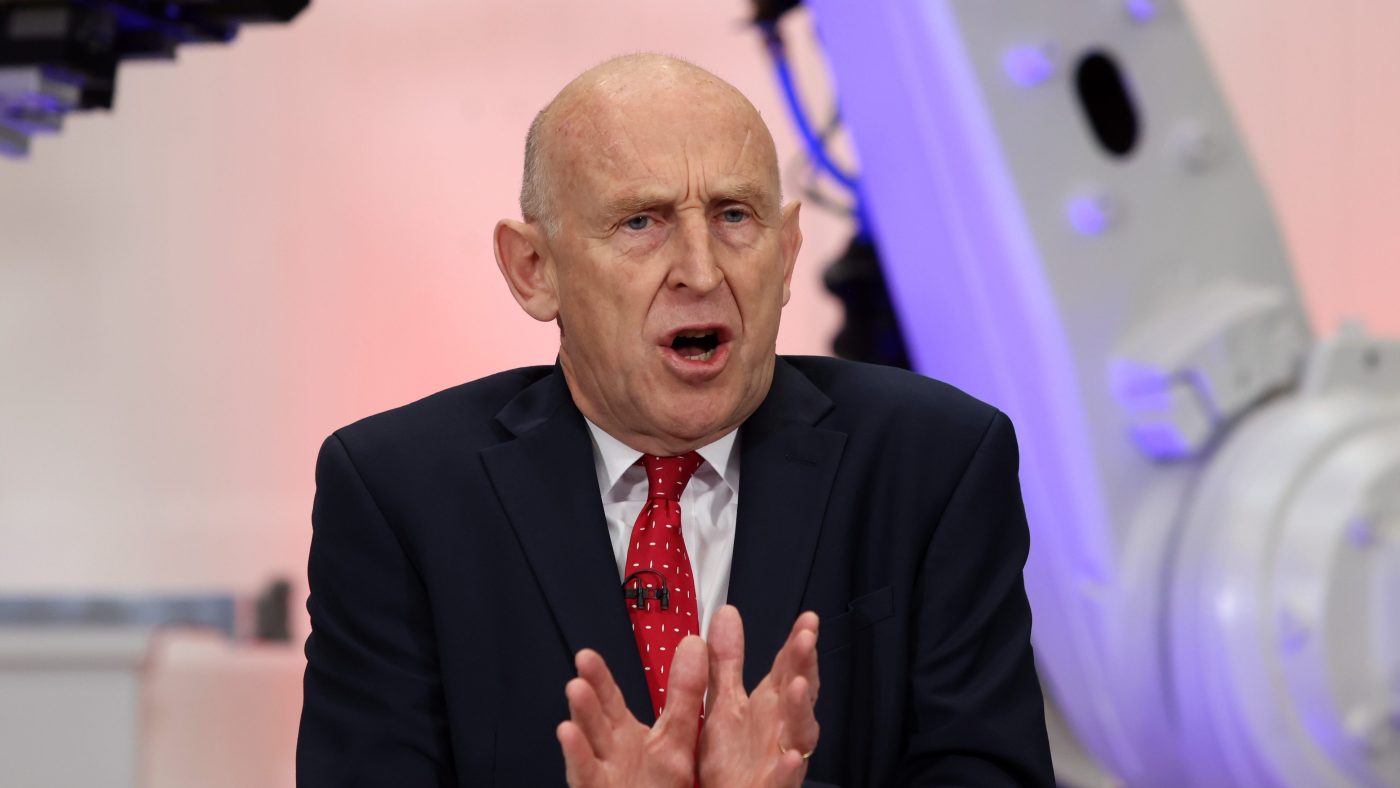
John Healey took the stage in Coventry on Tuesday to outline the government’s fiscal priorities ahead of the budget due on 28 October. He argued that higher growth is the "sustainable pathway out of indebtedness and into prosperity" and promised to keep Labour’s 2024 manifesto pledges on income tax, VAT and national insurance.
I’m not going to speculate on questions of tax. If I respond to those questions, I’m only going to fuel more speculation.
Healey’s remarks came after a flurry of speculation that the Treasury may need to raise taxes to cover rising borrowing costs and increased spending on defence and welfare. Analysts at Pantheon Macroeconomics and several City banks say the fiscal headroom is narrowing, making a tax hike likely.
Growth as the engine of fiscal stability
Healey said the government will focus on "growth in more places" by cutting red tape for businesses, reviewing planning rules for nuclear projects and launching a review of railway costs. He backed Keir Starmer’s promise to cut business administration costs by 25 per cent by 2030 and to reform the planning regime under the Fingleton Review.
Innovation also featured prominently, with a target to double the number of UK unicorns, start‑ups valued at over $1bn, from the current 205, according to Dealroom data. The chancellor stressed that devolution will be central to delivering growth beyond London.
Tax policy remains a question mark
When pressed about the possibility of new taxes in October, Healey declined to comment, saying speculation would only add uncertainty. The Treasury has set a deadline for business leaders to submit ideas for the budget, and the British Chambers of Commerce has urged the removal of the triple‑lock pension guarantee and a cut to national insurance for under‑25s to tackle youth unemployment.
The triple‑lock, which guarantees the state pension rises by the highest of wage growth, inflation or 2.5 per cent, is projected by the Office for Budget Responsibility to cost £15.5 bn a year by 2030. Labour’s manifesto pledges to keep it, but the BCC is the only major industry body calling for its removal.
Healey said he would base his plans on the upcoming review by former minister Alan Milburn, due later this year, on joblessness.
Political reaction and looming corporate cuts
Shadow chancellor Andrew Griffith criticised the speech, arguing that warm words about growth do not offset the damage from previous tax rises and that Healey failed to present a clear welfare reform plan or a defence funding commitment.
At the same time, carmaker Jaguar Land Rover announced a cut of around 4,000 jobs, aiming to save roughly £1.7 bn. The move underscores the pressure on manufacturers as the government seeks to balance fiscal consolidation with growth incentives. For more on the job cuts, see the UK business secretary meeting with Jaguar Land Rover.
Healey’s speech marks the first of several public appearances before the budget, and the Treasury’s upcoming deadline will shape the final policy mix. Market watchers will be keen to see whether growth‑focused measures can deliver the fiscal breathing space the chancellor claims is essential, or whether tax adjustments become inevitable.
In the weeks ahead, businesses and households will watch for the budget’s details on infrastructure spending, tax policy and the triple‑lock pension, all of which will influence borrowing costs, investment decisions and the broader economic outlook.