FTSE 100 slips as Middle East tensions lift oil prices and UK faces growth‑tax debate
The FTSE 100 fell on Monday as Brent crude surged past $97 a barrel amid renewed US‑Iran hostilities, and the UK government grappled with criticism over its fiscal stance.

FTSE 100 opened lower on Monday, pressured by a jump in oil prices and fresh criticism of the UK’s fiscal direction. Brent crude slipped above $97 a barrel after the United States and Iran exchanged strikes, reviving worries about disruptions to global oil supplies.
Oil price surge and market reaction
The price rise follows a weekend in which the United States targeted three Iranian oil tankers in retaliation for missile attacks on US Navy vessels. Tehran responded with attacks on tankers linked to the United States and announced plans for a "restricted" maritime zone beyond the Strait of Hormuz. Chris Wright, the US energy secretary, called on allies to help keep the waterway open, saying, "World trade should not be the sole responsibility of the United States."
"I call it a military conflict because it’s small potatoes for us," President Donald Trump said, downplaying the escalation.
The Strait of Hormuz carries roughly 20 % of the world’s oil and liquefied natural gas. Even a brief disruption can ripple through energy markets, prompting investors to reassess risk and push equity indices lower.
UK political backdrop
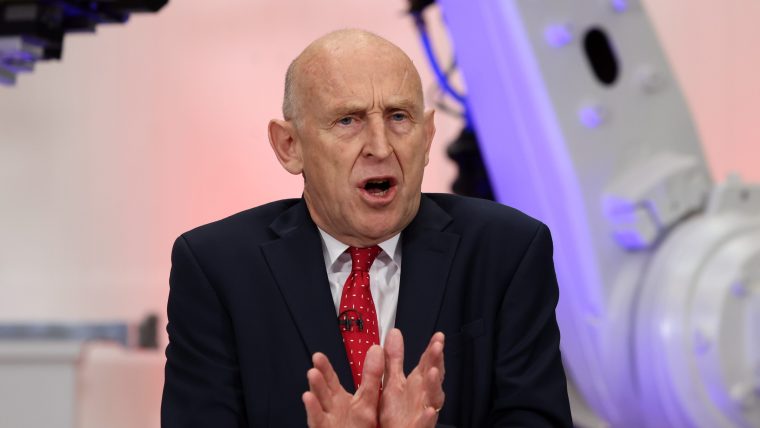
In London, Business Secretary Rachel Healey warned that the country is still feeling a "Truss penalty", a reference to the fiscal turbulence that followed the previous government’s tax cuts. She urged the Treasury to match economic growth with delivery, a message that resonated as Jaguar Land Rover announced plans to cut 4,000 jobs.
Healey’s comments come as the government seeks to balance growth ambitions with fiscal prudence. The job cuts at Jaguar Land Rover, a flagship British manufacturer, have already prompted a meeting between the business secretary and the carmaker’s leadership (read more).
Outlook for investors
Analysts expect the FTSE 100 to remain volatile until the situation in the Gulf stabilises and the UK clarifies its fiscal roadmap. A prolonged closure of the Strait of Hormuz could keep oil prices elevated, supporting energy stocks but pressuring sectors reliant on cheaper fuel.
Meanwhile, the government’s ability to convince markets that it can deliver growth without further tax upheaval will be a key determinant of equity sentiment in the weeks ahead.