UK house prices slip for first time in three years as mortgage rates bite
The latest Lloyd's data shows a modest fall in UK house prices, signalling the impact of tighter credit on the market.
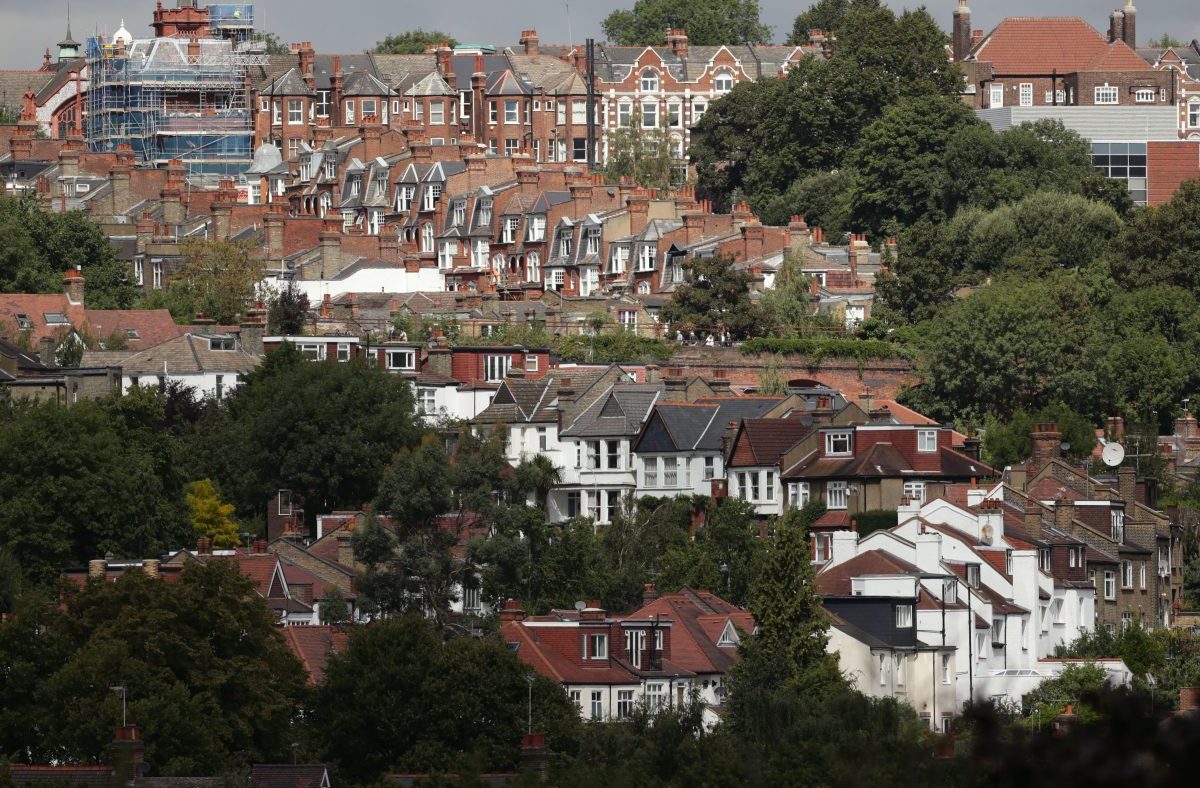
UK house prices fell in the year to August, marking the first annual decline in almost three years. The Lloyd's house price index reported an average price of £298,468, down 0.2% on the month and 0.4% year‑on‑year.
Why the slowdown matters
Higher borrowing costs have left many prospective buyers on the sidelines, reducing demand and slowing transaction volumes. Mortgage approvals are at their lowest level since early 2024, according to the Bank of England, while the number of residential sales in the three months to July fell 4% compared with the previous quarter, HMRC data shows.
Regional data reveal the sharpest drops in the South East, where prices fell 1.6% to £381,729, and in London, where the average price slipped 1.5% to £534,177. These areas, traditionally the most expensive, are now feeling the squeeze of stamp‑duty and mortgage costs more acutely.
Industry reaction
Andrew Asaam, mortgages director at Lloyds, said:
The housing market has faced a more difficult backdrop in recent months, with the impact of global events on inflation and borrowing costs creating greater economic uncertainty. What we’re not seeing is a rush of homeowners cutting prices. But more are choosing to sit tight, with sellers reluctant to accept offers they feel are too low, while some buyers are waiting to see how conditions develop.
Asaam expects the market to remain subdued in the coming months, with buyers awaiting the October Budget for clues on fiscal policy and tax measures.
What’s next for buyers and sellers
Nathan Emerson, chief executive of the estate agents’ trade body Propertymark, warned that the upcoming Autumn Budget and the mid‑month inflation and interest‑rate announcements will shape market sentiment. He added that rising wages and resilient employment should prevent a deeper slide in prices, providing a floor for demand.
In the short term, analysts anticipate modest price movements as the market digests higher rates. Over the longer haul, any easing of borrowing costs or targeted fiscal support could reignite activity, but for now the sector is likely to stay cautious.
Overall, the first annual price decline underscores how sensitive the UK housing market is to credit conditions, and it sets the stage for a pivotal period as policymakers prepare the next budget.