Monetary Policy: Why 2014 should be a turning point for western economies

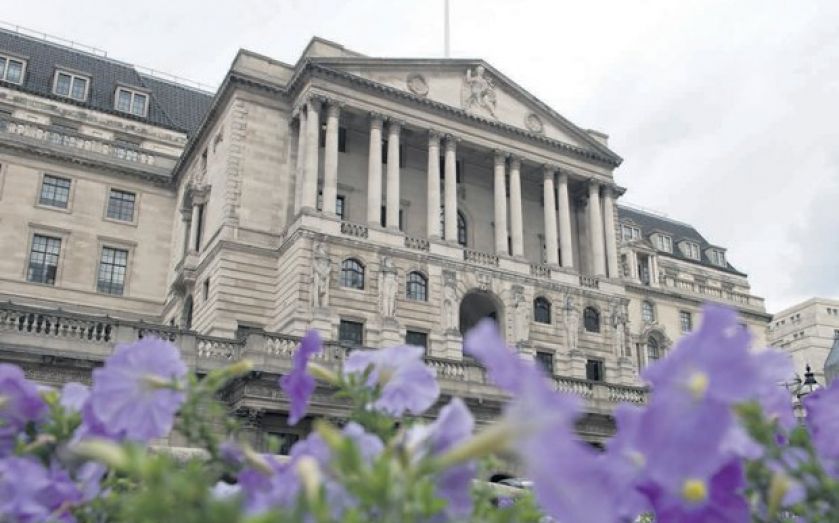
SINCE the 1970s, years ending with a 4 have seen turning points in the global economy and had a particular significance for central bankers.
This year is the fortieth anniversary of 1974. This was the most turbulent post-war year for the major western economies before the global financial crisis. The first recession in the global economy since the end of the Second World War was accompanied by rampant inflation and rising oil and commodity prices – a major dilemma for monetary policy. Germany’s Bundesbank established its credibility by fighting inflation, while other leading central banks floundered and prevaricated.
A decade later, in 1984, it was the strength of growth across the world economy, rather than recession, which took policy-makers by surprise. US GDP rose by over 7 per cent in 1984 – the strongest growth rate recorded since the 1950s. The US Federal Reserve, under its legendary chairman Paul Volcker, took the unusual step of raising interest rates in a presidential election year. UK interest rates also rose sharply, from below 9 per cent to 12 per cent – a genuine interest rate hike which would seem inconceivable today.
1994 and 2004 saw similar interest rate rises, led by the US. In 1994, the shift towards tighter monetary policy – as the western economies emerged from the early 1990s recession – triggered the Mexican peso crisis. In 2004, the US Federal Reserve eventually started to move away from its 1 per cent interest rate policy, put in place to head off recession in the early 2000s. But the Fed raised interest rates too sharply and too late in the 2000s, triggering the financial crisis that unfolded from 2007 onwards.
So what will happen in 2014? Current forecasts suggest that economic growth is set to pick up on both sides of the Atlantic. The UK economy is set to grow by around 2.5 per cent – the strongest year of growth since before the crisis. Growth in the United States is expected to be at around the same rate. The euro area should move from contraction to subdued growth – around 1 per cent.
Against this improving growth background, western central bankers are trying to persuade us that they will keep interest rates at historically low levels. Forward guidance from the Fed, the Bank of England and the European Central Bank has a fairly consistent theme. Don’t expect interest rates to rise any time soon.
A very similar expectation prevailed at the start of 1984, 1994 and 2004. Yet in all three years, monetary policy was tightened more suddenly than expected. In the UK and US, it is quite likely that we will see history repeat itself this year along the same lines – for three main reasons.
First, while economic growth is not strong by historical standards, it is bringing unemployment down quickly. In the US, the unemployment rate has already fallen to 7 per cent from nearly 10 per cent – despite economic growth over the recovery so far of not much more than 2 per cent. In the UK, the 7 per cent unemployment threshold set by the Monetary Policy Committee for reviewing interest rate policy is likely to be reached in the next few months.
Second, inflation is likely to pick up as we move through the year. As the labour market tightens, wage growth should pick up. And stronger global growth will exert upward pressure on energy, food and commodity prices, which have been relatively subdued over the past year.
Third, the monetary stimulus provided in response to the crisis has inflated financial markets – pushing up equities and house prices. Such “financial exuberance” would not be an argument for pushing interest rates up if this was going to damage the economy. But if growth remains robust, inflation is rising, and unemployment is falling – as forecasts suggest – it is an added reason for raising interest rates from their current historically low levels.
2014 should be a significant turning point for the major western economies and monetary policy. If it is not, we should worry. Because that probably means policy is behind the curve – and a sharper hike in interest rates is on the way in 2015 and beyond.
Andrew Sentance is senior economic adviser at PwC, a former member of the Bank of England Monetary Policy Committee, and author of Rediscovering growth: After the crisis (London Publishing Partnership).