Rishi Sunak’s investment in innovation must challenge our appetite for taking risks

Rishi Sunak has recommitted to R&D spending, but after the expensive combustion of Bulb, the government must still have an appetite for risk, writes Tris Dyson.
As far as New Year’s resolutions go, recommitting the government to increasing R&D funding and supporting innovation is one I applaud. But Rishi’s New Year speech trod ground well-worn by his predecessors. In such difficult economic times, 2023 needs to be the year we turn ambition into results.
Through a decade of designing and delivering challenge prizes that foster innovation, we’ve learnt that the obstacles to becoming a science superpower aren’t simply financial. More money does not necessarily equal better results. How we direct that money matters just as much.
Our national approach to innovation needs a seismic shift. We need to direct the pledged increases in funding to the myriad British start-ups capable of delivering the science powerhouse the Prime Minister is after.
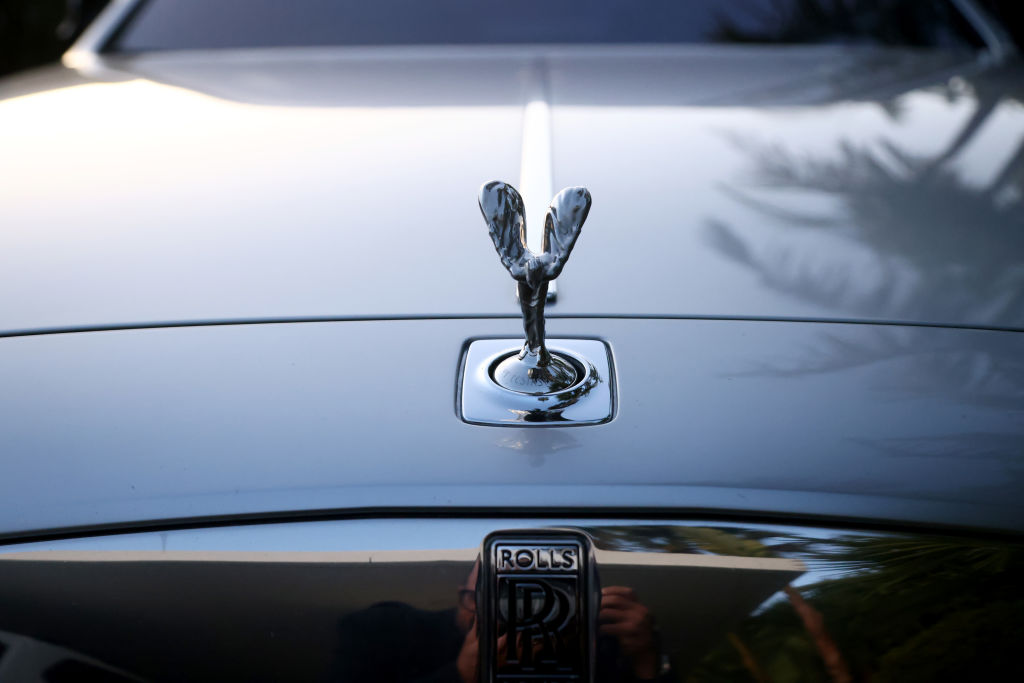
We need our leaders to be brave and pursue alternative approaches to traditional grant funding and move away from simply giving more cash to established incumbents. These are the large companies and consultancies well-versed in navigating government R&D funding. Rolls Royce for example secured 7 per cent of UK government R&D spending last year, followed by Airbus and Jaguar Land Rover. They are some of the biggest, but they are not necessarily the quickest to market, nor are they the only ones with breakthrough ideas.
A better strategy would be to level the playing field so that a healthy portion of the billions spent by government goes into uncovering the new ideas and untapped potential in our universities, our business parks and our start-up communities.
Take KrakenFlex, a firm started in an engineer’s garden shed in 2013 when they hatched a plan to manage intermittent renewable energy supplies. That technology has grown and is now being rolled out by Octopus Energy to provide dynamic charging of electric vehicles to thousands of its customers.
The UK’s academic prowess, our business-friendly ecosystem, and our ambitions to lead the world in innovation should be working in our favour. What holds us back is our appetite for risk. This is understandable when it comes to spending public money. Rolls Royce is a lot less risky than an unknown entrepreneur on the face of it. The cost of bailing out Bulb is a case-in-point. But we miss out on new ideas and new thinking by relying on the same few companies.
Rather than distributing R&D money through grants alone, to tap into that rich seam of overlooked innovators, the government should look to challenge prizes to reach their goals. These are designed to incentivise multiple solutions to a problem through the stages of a structured competition. They provide seed funding and expert support to develop the boldest ideas into reality. They then reward the most effective solution with a large cash prize only after it has proven to work. By paying out the larger prize sums only for successful outcomes you limit the risk.
Whether from an established business or an engineer working in isolation, this approach levels the playing field for all innovators taking part. It de-risks the use of public money in supporting unknown entities. And we’ve found that they leave a legacy of multiple businesses with successful products often in markets that previously did not exist. KrakenFlex did not win the Dynamic Demand Challenge, but they have gone on to produce a great product nonetheless thanks to being a part of it.
Moving beyond the big incumbent companies that currently dominate R&D funding, and championing cutting-edge ideas from our most promising start-ups forms the critical path to becoming the world’s leading innovation nation.