No, HS2 won’t stop in west London, but it does show us why transport projects fail

Last week, the long delayed high speed railway HS2 had another turn around the rumour mill, following suggestions it would end in west London. The hint of another hurdle shows us why politicians often ruin transport projects, writes Adam Tyndall.
HS2 is happening and it will terminate in central London – despite the latest flurry of headlines (later slapped down by the Chancellor) suggesting the line could end at Old Oak Common in west London, rather than at Euston.
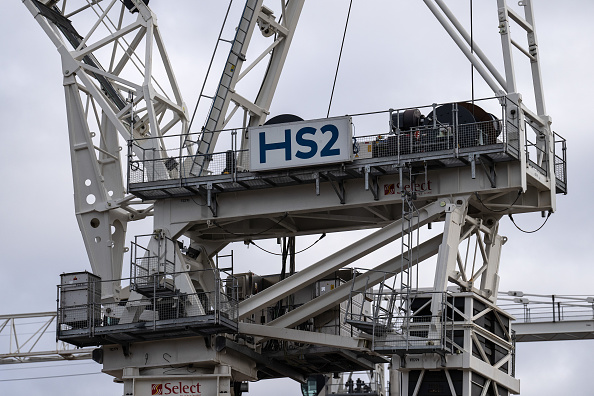
Land has been cleared, tunnels are being dug, and huge structures popping up between London and Birmingham. HS2 will deliver the biggest boost to railway capacity in the UK since the boom years of the nineteenth century. It will mean that express intercity services can be separated from local commuter services, delivering benefits for passengers well beyond those who live near HS2 stations.
Just as the Elizabeth Line has shown in the South East, HS2 will also transform our mental geography. It will lead to new patterns of life and travel, which will catalyse investment across the country – including at Euston which remains a major central London regeneration opportunity despite being part of a growing, internationally renowned science and innovation cluster. But to realise all this potential, HS2 must be built in full. Saying it is too difficult would be to accept the narrative of national decline that the Chancellor spent Friday lamenting.
Stopping at Birmingham would very obviously deny these benefits to the North, but stopping in the suburbs of west London would be equally damaging. What message would it send if passengers arriving from the home counties get rail termini in zone one, whilst those from further afield are forced to change trains to complete their journeys?
Tourists arriving in the capital already complain about the complexity of getting to other destinations around the UK. Having to shuttle out to Old Oak Common to find an onward train is hardly the way to get more of them spending more time and more money outside the capital.
Similarly, the reason that both Eurostar and City Airport remain so successful is because they are in the heart of the city and business travellers demand efficiency. If HS2 is going to help attract investment to cities other than London, it needs to be a simple, intuitive connection for those without the time or inclination to decode the quirks of the transport network.
There are many good reasons why delivering major infrastructure is hard, but the politician’s urge to re-visit decisions about the scope of projects is surely one of the worst. Making Old Oak Common the permanent terminus for HS2 would require a complete redesign of the station (not to mention adding pressure to the Elizabeth Line which is already carrying 75 per cent more passengers than was forecast). And it would leave a literal hole in the ground at Euston.
Lopping bits off projects – or scrapping them entirely – just inflates the price. The Elizabeth Line is a prime example. When it was debated in Parliament in the early 1990s, the line was expected to cost £2bn. That plan was “cancelled” only to re-emerge over a decade later with a price tag five times higher in real terms. Good infrastructure projects don’t die, they just get put back on a shelf where they gather dust and cost until the inevitable is allowed to proceed.
There will be a new railway between the UK’s two biggest cities, and beyond. The eastern leg will reappear because railway operations, political calculation, and environmental necessity all require it. And if anyone removed Euston from the plans out of some misguided attempt to spend less in London, the decision would not hold. Not least because it would be farcical if travelling between city centres on a twenty-first century railway took longer than it currently does on Victorian infrastructure.