Reform UK vows £21bn tax‑free allowance lift to £15,000 if in power
If elected, Reform UK plans to boost the tax‑free personal allowance by £2,430, a move it says will put money back in workers’ pockets.
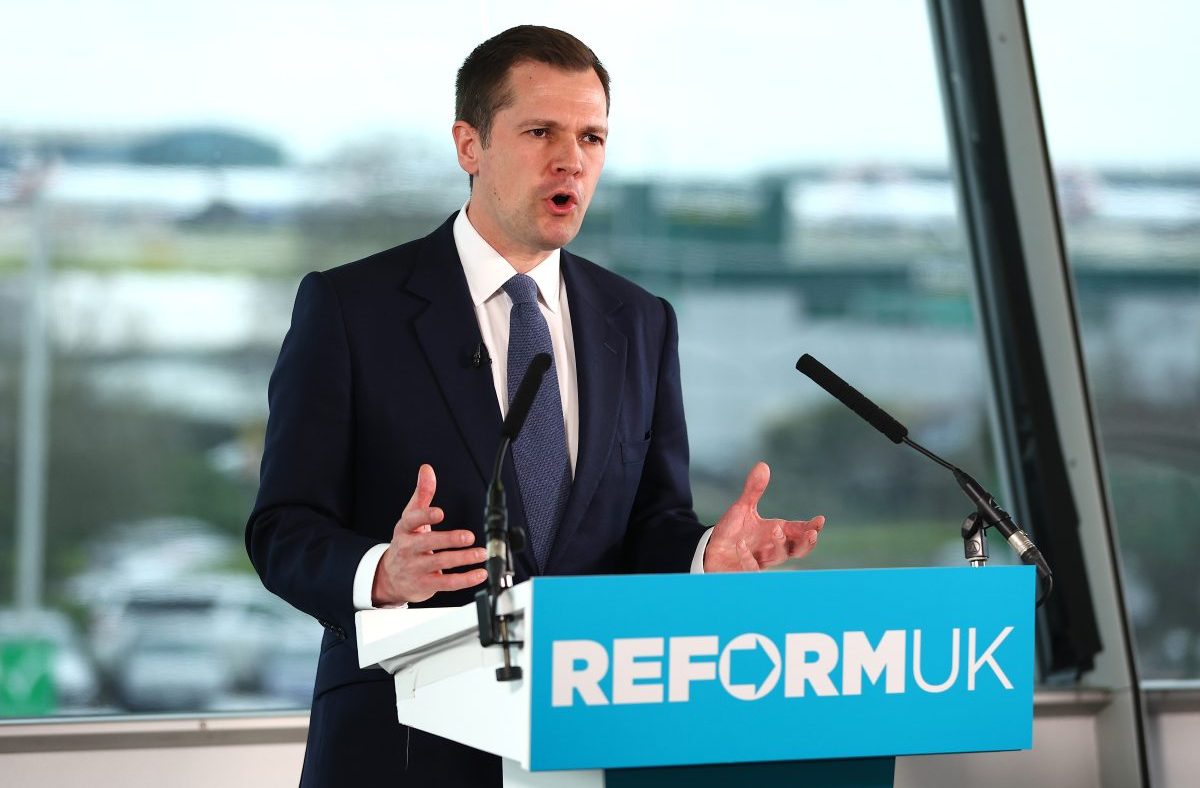
Robert Jenrick told Reform UK members on Saturday that his first budget as Chancellor would raise the tax‑free personal allowance from £12,570 to £15,000. The proposal, framed as a £21bn cut for workers, would be the flagship of the party’s economic agenda if it enters government.
The promise and its appeal
The increase would lift the allowance for roughly 40 million taxpayers, saving the average earner about £500 a year. Reform UK argues that the move would reverse years of “fiscal drag”, where wages rise but tax brackets stay static, eroding real take‑home pay.
How it would be paid for
Party officials say the cut would be financed by £80bn of planned spending reductions, including £52bn from welfare reform. The plan builds on a manifesto pledge to eventually lift the allowance to £20,000 once the Treasury can afford it.
There has never, in our lifetimes, been a worse time to be a worker in Britain,
Jenrick added, positioning the allowance rise against what he described as “welfare waste, foreign aid and migrants”. The speech echoed a broader Reform UK narrative that prioritises tax relief for employees over other budget items.
Political backdrop
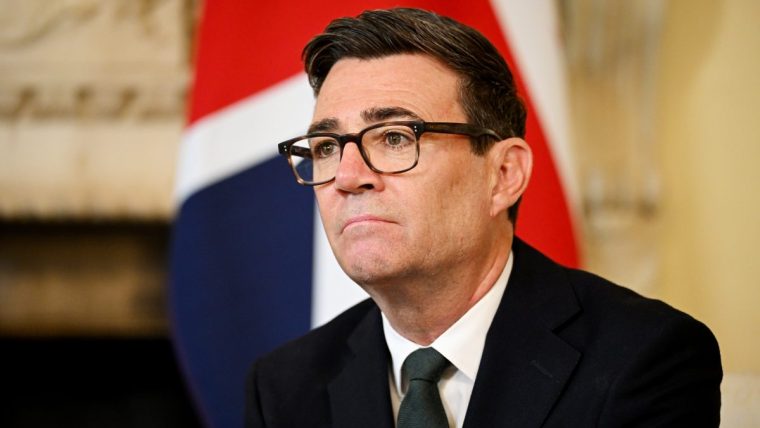
The allowance has been frozen for five years under successive Conservative and Labour governments, a decision championed by Rachel Reeves who last year pledged to keep the threshold at £12,570 until at least 2031. Earlier, Andy Burnham hinted at unfreezing the allowance but later backed away, citing cost concerns.
Economists warn that while more people would move into the basic tax band, higher earners could still face the “tax trap” as the allowance tapers off at incomes above £100,000. The Taxpayers' Alliance estimates that 500,000 more workers will pay the basic rate this year, while 410,000 could shift into the 40 per cent bracket due to wage growth.
Reform UK’s tax plan will be scrutinised at the upcoming budget, where the party is expected to argue that the £21bn cut will boost disposable income without harming growth. Critics, however, point to the reliance on welfare cuts as a potential source of social tension.